Militarization of the Russian Economy: Parliament Approves Record Military Budget
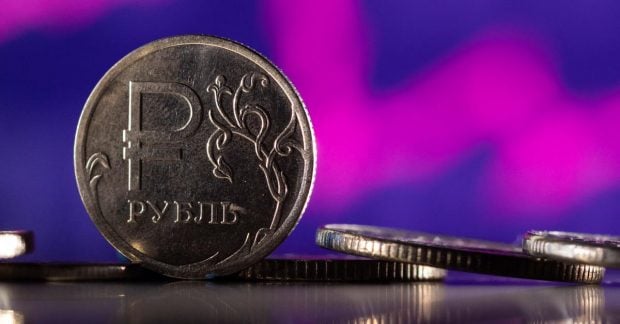
The Russian government has adopted a federal budget channeling unprecedented funds into military needs at the expense of social and civil programs.
 🇺🇦Ukraine
Photo: UNIAN
Key points
- Russia allocates 35% of its budget to military needs
- Security structures control 44% of total expenditures
- Healthcare and social funding face significant cuts
- Analysts warn of growing economic vulnerabilities
The State Duma of the Russian Federation has officially approved the federal budget law for the 2027–2029 period. The defining feature of the document is a massive increase in military sector funding, reaching highs not seen since the Soviet era. The Russian authorities intend to allocate every third ruble from the state treasury to the army and weapons procurement, accounting for roughly 35% of total expenditures.
Security Sector Consumes Nearly Half the Budget
According to the adopted framework, direct expenditures under the "National Defense" category will surge by 32% to reach 17.1 trillion rubles, compared to 12.9 trillion this year. Meanwhile, spending on "National Security"—which includes law enforcement, intelligence services, and the penitentiary system—will rise to 4.6 trillion rubles. Combined, the security and defense apparatus will control 44% of the state's budgetary funds.
Against the backdrop of this financial redistribution, civilian sectors face sharp resource cuts. Spending on national economic support, housing and communal services, healthcare, and social welfare is decreasing by several percentage points. Specifically, funding for key national projects aimed at supporting large families and increasing citizens' life expectancy has been significantly trimmed.
New Taxes and Economic Risks
To cover the budget deficit, the Russian government is introducing additional fiscal restrictions, including higher taxes on passive income, VAT on foreign e-commerce purchases, and new levies for mining companies. Despite these measures, the budget remains heavily in deficit. According to Ukrainian financial analyst Vitaliy Shapran, intensified strikes on the aggressor's critical assets could trigger a severe economic crisis capable of halting the Kremlin's war machine.
Source UNIAN — unian.ua/economics/finance/rosiya-zatverdila-rekordniy-viyskoviy-by… ↗
Read next
 🧠AI Analysis
Strike on Novoshakhtinsk Refinery: Impact on Russian Fuel Logistics
The Security Service of Ukraine, together with the Main Directorate of Intelligence, conducted a special operation hitting production facilities and infrastructure at the…
 🛡️Security
Kremlin's Latest Nuclear Threats: Medvedev Outlines Conditions for Using WMDs
Deputy Chairman of the Russian Security Council Dmitry Medvedev has once again resorted to rhetoric regarding the potential use of the nuclear arsenal against Ukraine.
 👥Society
Odesa Schools and Kindergartens Resume Operations Amid Gradual Heat Restoration
Educational institutions in Odesa where heating has been restored will return to their regular schedule on November 24.
 🧠AI Analysis
ArcelorMittal Kryvyi Rih Shutdown Threatens Thousands of Workers with Reservation Loss: Experts Urge Action
The forced shutdown of the ArcelorMittal Kryvyi Rih metallurgical plant has reduced worker earnings during downtime below the threshold required for economic reservation.…
 🧠AI Analysis
Key Lessons of the War: Oleksandr Syrskyi Outlines Crucial Takeaways for Global Security
Former Commander-in-Chief of the Armed Forces of Ukraine Oleksandr Syrskyi highlighted three main lessons from the war with Russia, stressing the need for defensive readi…
 🛡️Security
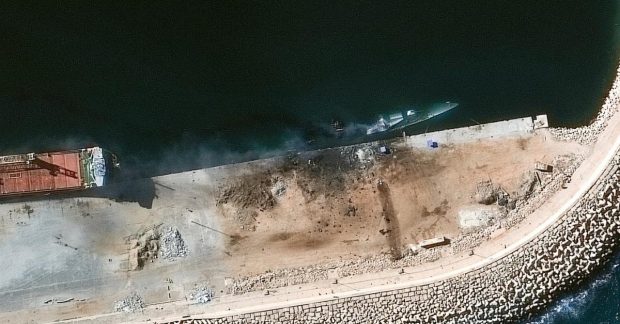
Satellite Images Confirm Destruction of Russia's Newest Corvette 'Merkuriy' in Libya
Satellite imagery shows Russia's newest corvette, the 'Merkuriy', sinking in the Libyan port of Benghazi following a drone attack. The incident has raised serious concern…