NASA's Technological Challenges: Building a Permanent Lunar Base
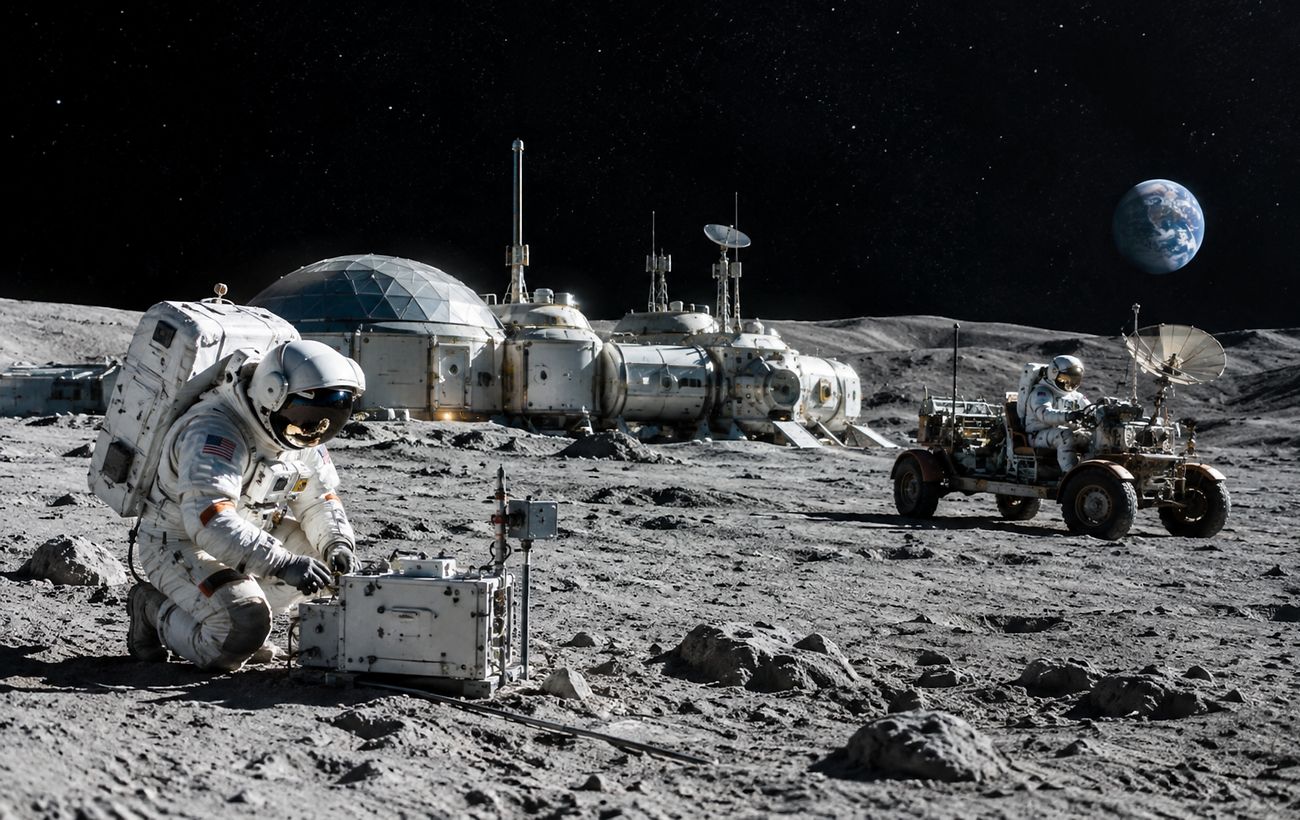
NASA is developing essential technologies for a long-term lunar presence, focusing on autonomous energy, resource utilization, and radiation protection.
 💡Tech
Photo: RBC-Ukraine
Key points
- Compact nuclear reactors for power
- In-Situ Resource Utilization (ISRU) for water and oxygen
- Advanced shielding against lunar dust and radiation
Establishing a permanent base on the Moon requires overcoming significant engineering hurdles. NASA is currently shifting its focus from short-term exploratory missions to building robust infrastructure capable of sustaining human life independently of Earth's supply chains.
Power and Resource Autonomy
Energy stability remains a primary challenge, as solar panels are insufficient during the 14-day lunar night. To ensure continuous power, NASA is advancing compact nuclear reactor technology, with the Lunar Reactor-1 slated for testing in 2030. Furthermore, the agency is prioritizing In-Situ Resource Utilization (ISRU) to extract water ice from the lunar south pole, which will provide essential life support and fuel.
Mitigating Environmental Hazards
The lunar environment poses unique risks, particularly from abrasive lunar dust and high radiation levels. NASA has successfully tested electrodynamic dust shields to protect sensitive equipment. To safeguard astronauts, living modules will be reinforced with layers of regolith, acting as a natural barrier against cosmic rays and micrometeoroids. These innovations are critical for the safety and longevity of future lunar settlements.
Source RBC-Ukraine — rbc.ua/ukr/news/vid-dernogo-reaktora-5g-shcho-potribno-nasa-1794836… ↗
Read next
 🏛️Politics
Russian Cargo Ship Catches Fire in the Gulf of Finland Following Drone Attack
A Russian cargo vessel heading to Kaliningrad has caught fire in neutral waters of the Gulf of Finland after a drone attack. The crew is being evacuated as the damaged sh…
 🏛️Politics
Zelenskyy Does Not Rule Out Trilateral Summit on the Sidelines of G20
The President of Ukraine announced the potential preparation of a high-level trilateral meeting to bring the end of the war closer, starting with security advisors' consu…
 🛡️Security
President of Ukraine details Russian bridge attacks prior to Kerch Bridge strikes
Volodymyr Zelenskyy stated during a meeting with a British official that Russian forces targeted Ukrainian bridges 109 times.
 🏙️City
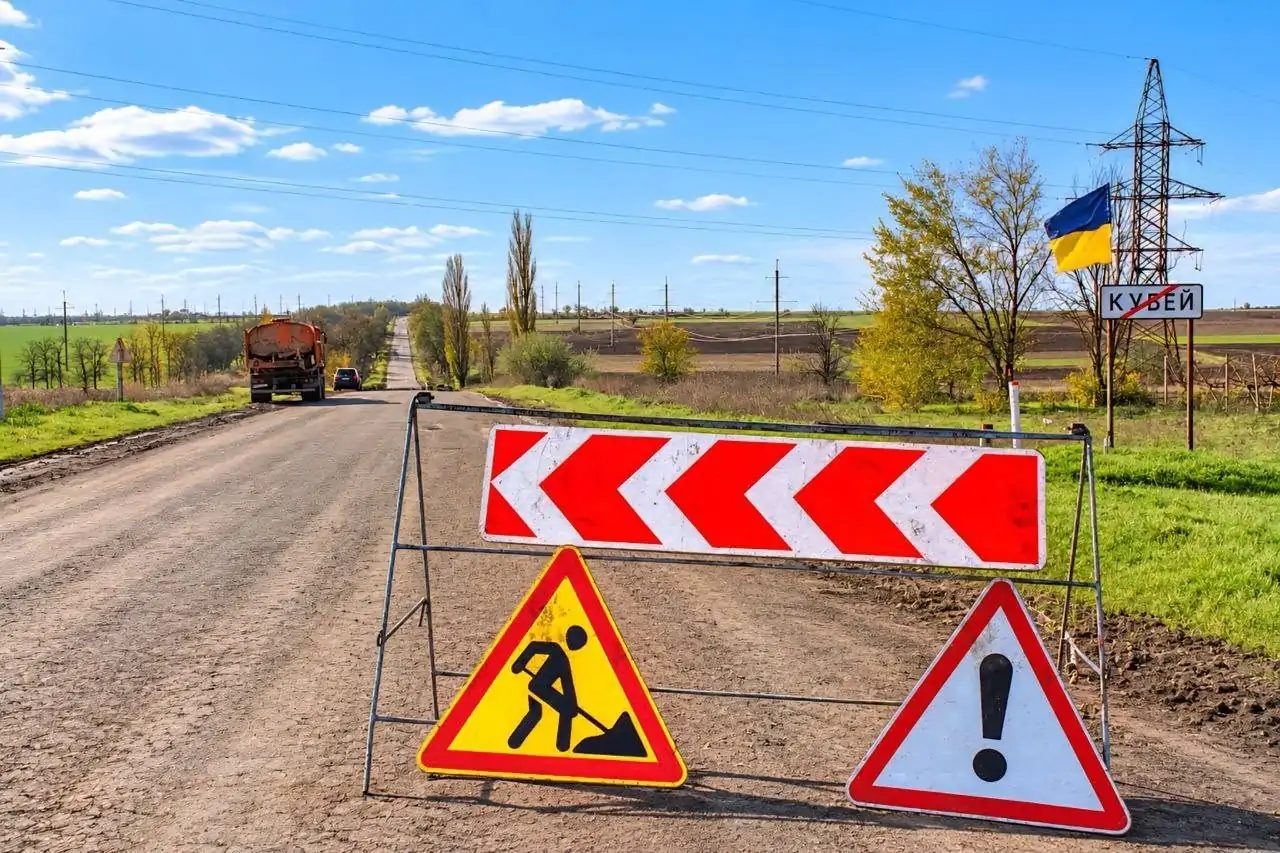
A section of an important regional highway was repaired in a neighboring community
Roadworks on a section of the T-16-08 highway in the village of Kubei, Bolhrad district, have been completed. The project was implemented through cooperation between loca…
 🏙️City
German Stoßlüften Technique: How to Properly Ventilate Homes in Winter and Save on Heating
The German 'shock ventilation' method helps refresh indoor air quickly during cold weather, preventing excess humidity while retaining warmth.
 🚨Events
Russian drone attacks railway station in Sumy region: casualties reported
On the morning of November 21, Russian forces launched a drone strike on a railway station in the town of Krolevets, Sumy region, injuring three civilians.