 🎭Culture & Sport
Archaeological discovery in Britain: unique Roman infant burial
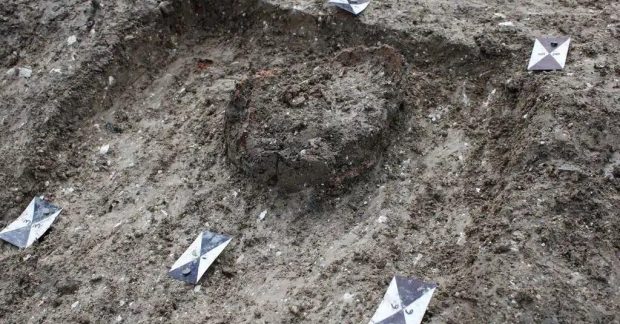
British archaeologists have discovered a rare infant burial in a ceramic vessel, dating back to the 3rd-4th century AD.
🎭Culture & SportBritish archaeologists have discovered a rare infant burial in a ceramic vessel, dating back to the 3rd-4th century AD.
 🎭Culture & Sport
Researchers are studying submerged coastal zones, comparable in size to North America, which hold traces of ancient civilizations.
 👥Society
First-year Newcastle University students on an educational archaeological dig in northern England have uncovered rare Roman jewelry and household items. Among the most va…
 🎭Culture & Sport
Archaeologists in Spain have excavated a vast necropolis dating back to the 2nd–4th centuries, containing nearly a thousand burials. This discovery sheds light on the his…
 🎓Education
High school students in Rome discovered a 2nd-century Roman villa featuring exceptional frescoes and mosaics beneath their school building.
 💡Tech
Archaeologists in the ancient city of El Mirador have found around 40 complete sculptures and fragments of Maya deity heads dating back to 600–900 AD.
 🎭Culture & Sport
Archaeologists exploring the ancient Thap Nhan tower discovered a golden artifact containing sacred Buddhist relics.
 🎭Culture & Sport
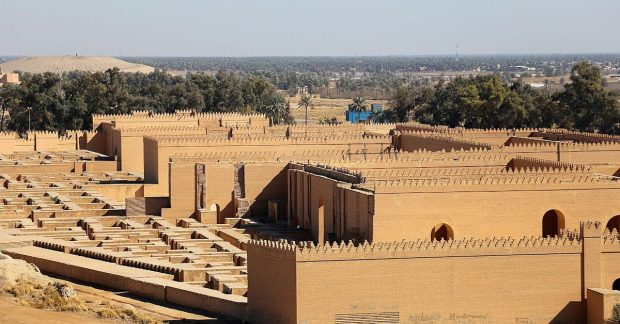
An international team of researchers has established a new date for the fall of Babylon by combining radiocarbon wood analysis and volcanic activity data.
 👥Society
During excavations in Turkey, researchers discovered the ancient remains of a unique plant species that is currently on the verge of extinction.
 🎭Culture & Sport
Archaeologists in Kazakhstan have uncovered a 140-hectare Bronze Age proto-city that challenges traditional views on ancient steppe societies.
 🎭Culture & Sport
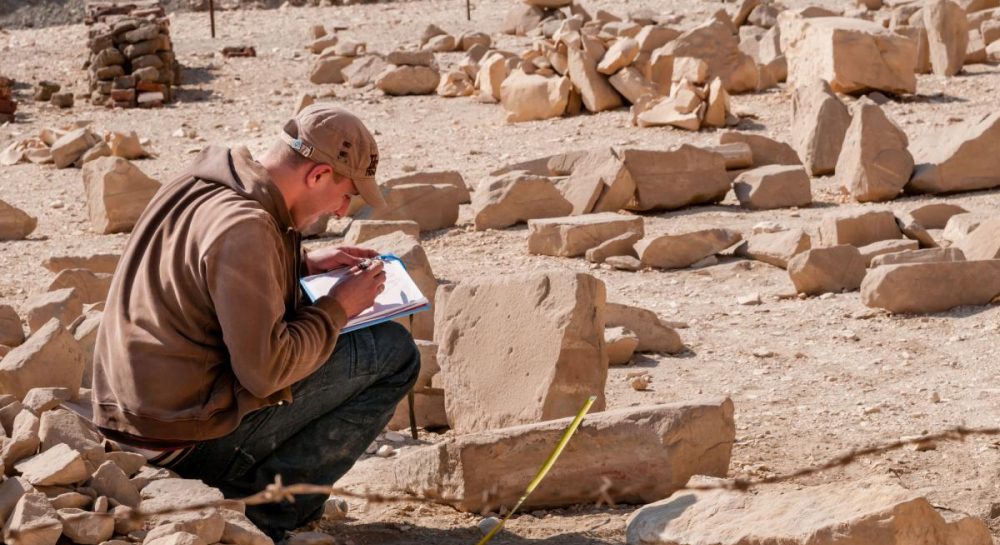
A chance discovery on the Black Sea coast in 1972 revolutionized our understanding of prehistoric European civilizations and copper age societies.
Got a tip, a proposal or a partnership question? Write to us and we will reply shortly.