Microplastics in water: new research reveals a hidden chemical threat
Scientists have found that microplastics in water can be chemically active, triggering the formation of dangerous compounds that damage cells.
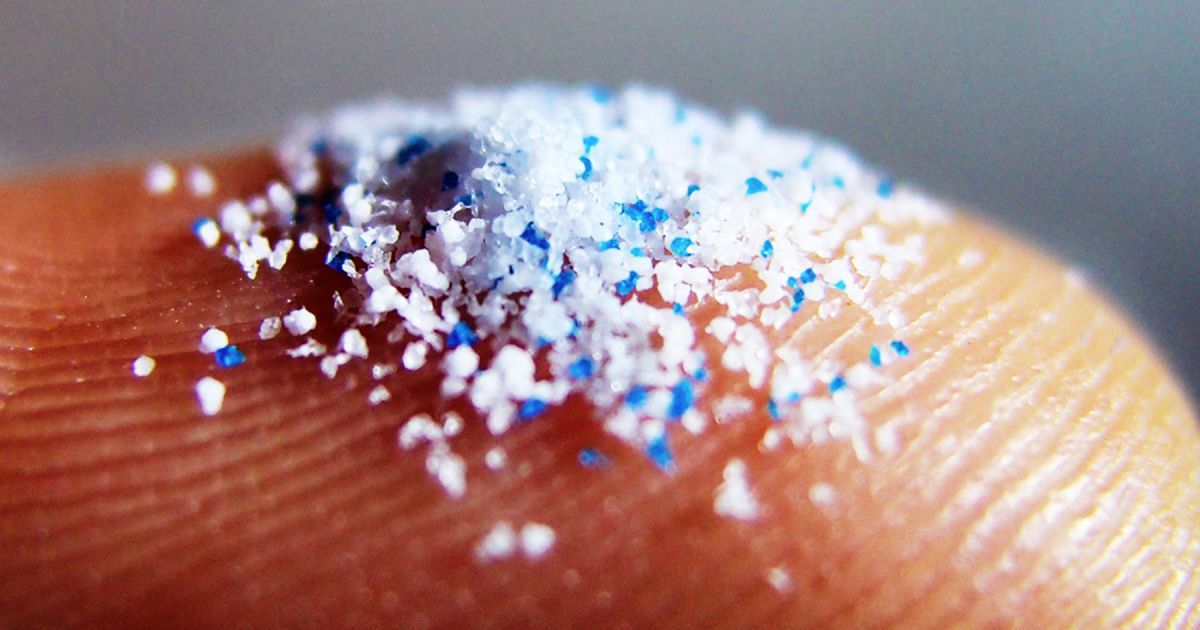 🩺Health
Photo: TSN
Key points
- Microplastics trigger the formation of reactive oxygen species in water.
- Polyethylene and polypropylene were found to be the most chemically active.
- Heating plastic in a microwave accelerates the release of dangerous particles.
- Experiments confirmed the ability of plastic to damage cellular structures.
Dangerous interaction between plastic and water
Researchers from Columbia University and the University of California, Berkeley, have discovered that microplastics are not just physical pollutants but active participants in chemical processes. Upon contact with water, reactive oxygen species form on the surface of plastic particles, capable of damaging proteins and DNA.
Scientists tested six types of plastic, including polyethylene and PET. It turned out that polyethylene and polypropylene are the most active, as their surfaces effectively repel water, creating conditions for dangerous reactions. As particle size decreases, the surface area for interaction increases, amplifying the risks.
Cellular impact and household risks
Laboratory experiments on mouse red blood cells demonstrated that contact with plastic leads to damage to cellular membranes. While these results are not direct proof of human disease, they point to the need to reconsider the use of plastic containers.
Everyday use of plastic also contributes to its degradation. Heating containers in microwaves or prolonged exposure of bottles to direct sunlight accelerates the release of microparticles, which subsequently enter the body.
Source TSN — tsn.ua/zdorovya/mikroplastyk-vyiavyvsia-nebezpechnishym-niz-vvazaly-shc… ↗
Read next
 👥Society
Do large purchases affect housing subsidies: Pension Fund clarification
The Pension Fund has clarified under what conditions household appliances or home renovations might lead to the cancellation of state utility subsidies.
 💼Economy
Exchange Rate in Ukraine: How Much USD and EUR Will Cost Until Late November
Bankers forecast a stable situation on Ukraine's currency market until late November with moderate exchange rate fluctuations.
 🛡️Security
Energy workers restore power in Rivne region following enemy attack
Electricity supply has been fully restored in the Sarny district of the Rivne region after a Russian attack left over 50 settlements without power.
 🎭Culture & Sport
Autumn Rose Care: Tips for Gardeners in Kiliya
Experts explain why you should not rush into radical rose pruning before the onset of steady frost.
 🇺🇦Ukraine
Estonia affirms Ukraine's right to self-defense following Gulf of Finland incident
Estonian Foreign Minister Margus Tsahkna stated that the strike on a Russian vessel is a consequence of Russian aggression, affirming Ukraine's right to defend itself.
 🛡️Security
Rescuers pull elderly woman from rubble in Dymer: death toll rises
Search operations continue in the Kyiv region following a hostile drone strike on a residential building. The number of fatalities has increased to nine.