Ecological challenge in the Atlantic: rapid expansion of seaweed belt
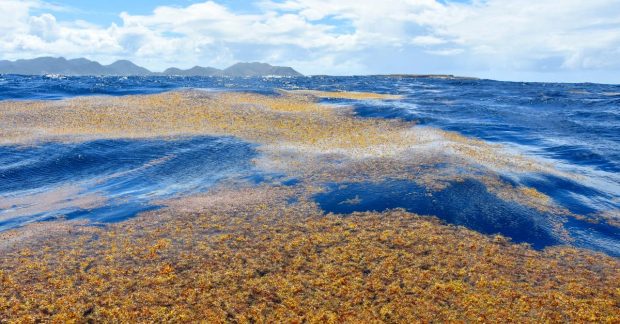
A record-breaking expansion of the sargassum seaweed belt has been recorded in the Atlantic Ocean, posing a significant global environmental issue.
 🏙️City
Photo: UNIAN
Key points
- The record length of the sargassum belt has reached 8,850 km.
- Excess nitrogen and phosphorus stimulate rapid algae reproduction.
- Decomposing algae release toxic gases and damage infrastructure.
- Scientists call for international monitoring and reduction of nutrient runoff.
Scientists are documenting an unprecedented expansion of the pelagic sargassum belt in the Atlantic Ocean. While 15 years ago these algae primarily inhabited the Sargasso Sea, their range now stretches from the coast of Africa to the Gulf of Mexico. In 2025, the length of this natural formation reached a record 8,850 kilometers.
Causes and consequences of the anomaly
Researchers attribute this rapid growth to the excessive influx of nutrients, particularly nitrogen and phosphorus, into ocean waters. The primary sources of pollution include agricultural runoff, wastewater discharge, and natural nutrient transport by rivers such as the Amazon. Under favorable conditions, the mass of sargassum can double in just 11 days.
Although sargassum is an important part of the marine ecosystem, its excessive concentration creates serious risks. When washed ashore, the algae decompose, releasing toxic hydrogen sulfide and methane, which negatively impacts air quality, beach conditions, and the local economy. In the past, such events have even led to the shutdown of critical infrastructure, including power plants.
Source UNIAN — unian.ua/ecology/sargasovi-vodorosti-v-atlantici-chomu-gigantskiy-p… ↗
Read next
 💼Economy
Exchange Rate in Ukraine: How Much USD and EUR Will Cost Until Late November
Bankers forecast a stable situation on Ukraine's currency market until late November with moderate exchange rate fluctuations.
 🛡️Security
Energy workers restore power in Rivne region following enemy attack
Electricity supply has been fully restored in the Sarny district of the Rivne region after a Russian attack left over 50 settlements without power.
 🎭Culture & Sport
Autumn Rose Care: Tips for Gardeners in Kiliya
Experts explain why you should not rush into radical rose pruning before the onset of steady frost.
 🇺🇦Ukraine
Estonia affirms Ukraine's right to self-defense following Gulf of Finland incident
Estonian Foreign Minister Margus Tsahkna stated that the strike on a Russian vessel is a consequence of Russian aggression, affirming Ukraine's right to defend itself.
 🛡️Security
Rescuers pull elderly woman from rubble in Dymer: death toll rises
Search operations continue in the Kyiv region following a hostile drone strike on a residential building. The number of fatalities has increased to nine.
 🛡️Security
Russian corvette 'Mercury' reportedly damaged in Libya by suspected Ukrainian drone attack
An explosion occurred on a Russian warship in the port of Benghazi, potentially caused by Ukrainian naval drones.